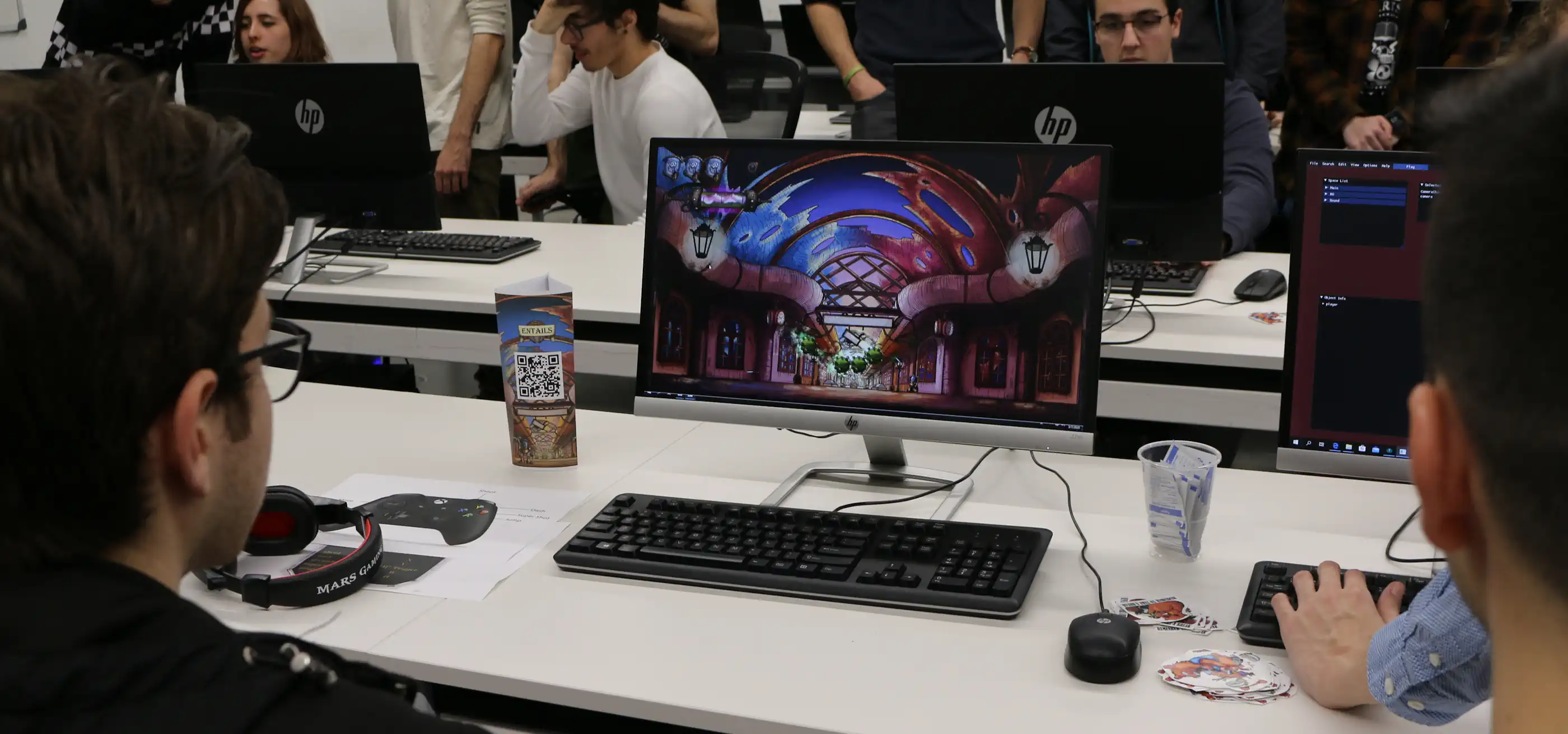
When someone programs a video game, they are actually solving a much broader problem: how to build a digital system that represents an environment, calculates what happens within it, and responds immediately to the person using it That is real-time interactive simulation, and its applications extend far beyond entertainment.
In this article, you will learn exactly what it is, which technologies make it possible, where it is being applied today, and what you need to study to work in this field.
What is real-time interactive simulation?
Real-time interactive simulation involves creating digital systems capable of representing environments, processing information, and responding immediately to user actions.
Video games are its best-known application, but they are far from the only one. The same technologies are used in automotive, industry, aerospace, simulator-based training, scientific visualization, and digital twins. Across all these fields, there is a common challenge: processing, updating, and representing information quickly enough for the system to respond in real time.
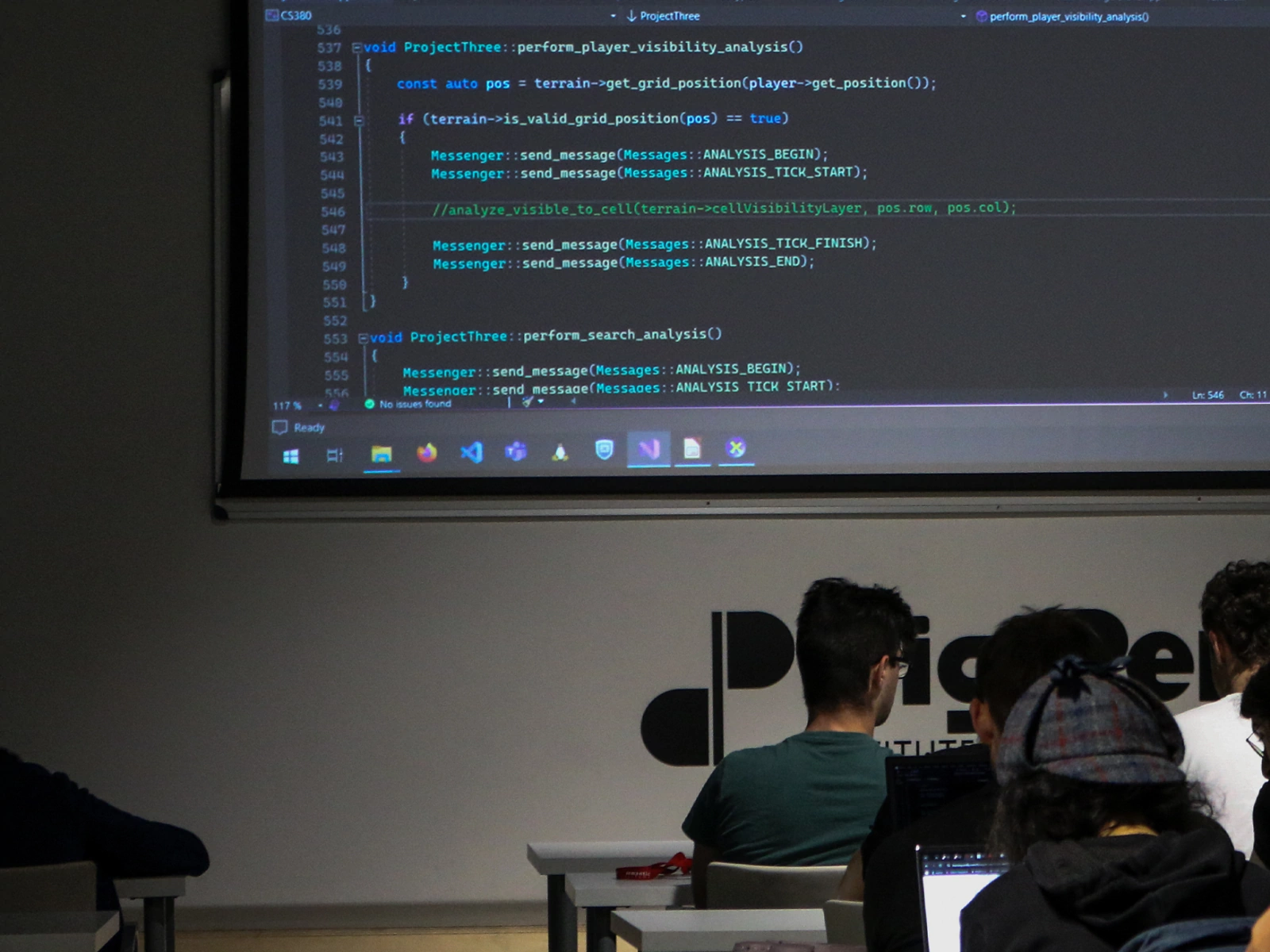
This need for immediacy is one of the fundamental differences between real-time interactive systems and other computational or rendering processes that do not need to respond instantly to the user. An animated film may take hours to render a single frame; a driving simulator does it in milliseconds.
From maps to a 3D world
In a traditional video game, much of the environment is designed in advance. Artists and developers create roads, buildings, and terrain that later form the world the player explores.
Generating that environment from real-world data poses a different problem. Instead of relying on manually modeled environments, the system takes geographic information, such as road layouts and terrain elevation, and uses it to build a navigable three-dimensional representation.
In simplified form, the process follows these stages:
geographic data → environment generation → 3D geometry → physics simulation → real-time interaction
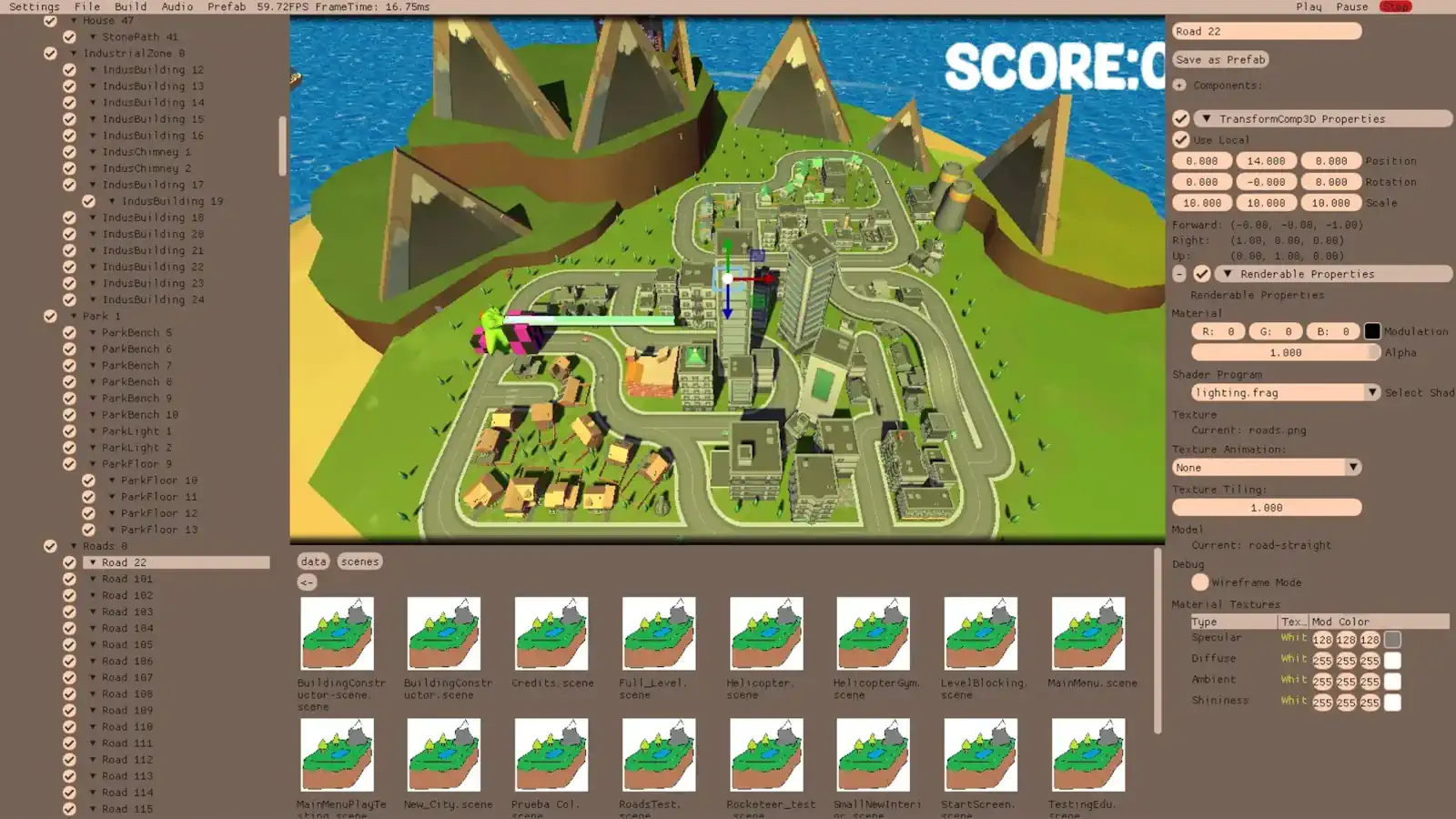
The result is not intended to be an exact reproduction of the physical world. It is a representation generated from real data that can be explored interactively. The difference from simply viewing a map is substantial: here, data is transformed into a three-dimensional system that runs, simulates, and can be navigated.
The Hop.Earth case
Hop.Earth illustrates this approach well: it turns real-world geographic information into a 3D environment that users can drive through directly in a browser, with no installation required. Hop.Earth uses, among other sources, OpenStreetMap road geometry and terrain elevation data to generate a playable geography in the browser.
What makes it interesting is not only the visual result, but what happens underneath. Running something like this in a browser requires solving several problems at once: dynamic data loading, geometry generation, vehicle physics simulation, and performance optimization. These are many of the same challenges a video game engine must solve, applied here to real-world geographic data.
What technologies make real-time simulation possible?
Building this type of system requires combining several areas of computer science. They can be grouped into four main blocks.
Graphics and representation
Computer graphics programming, computational geometry, spatial data structures, and procedural generation. This layer determines what is rendered, at what level of detail, and in what order, so that the scene is displayed correctly without overwhelming the GPU.
Physics and simulation
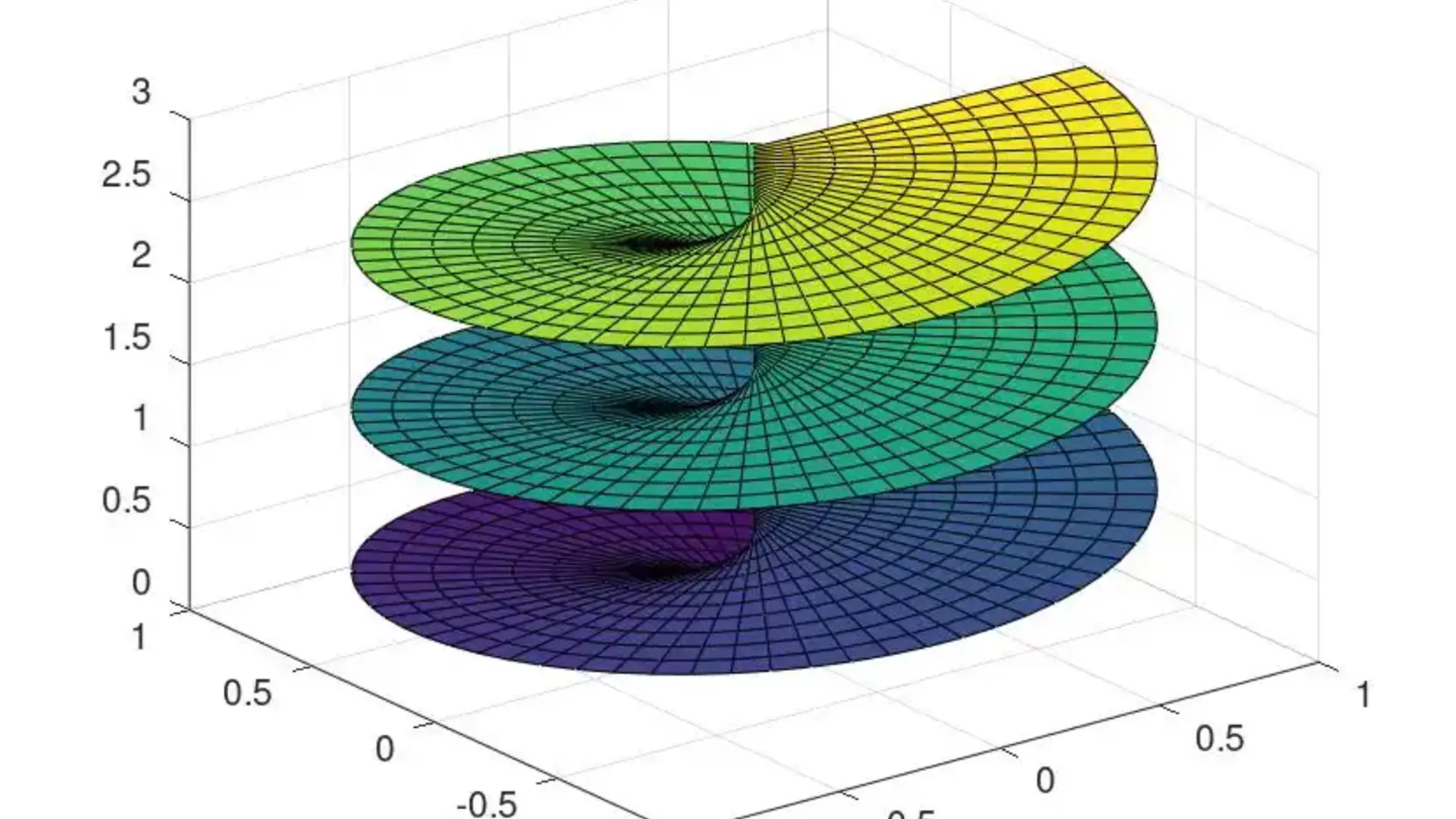
Applied mathematics, mechanics, collision detection, and numerical integration. These determine how objects move, how they interact with one another, and how the system behaves when the user acts on it.
Data and performance
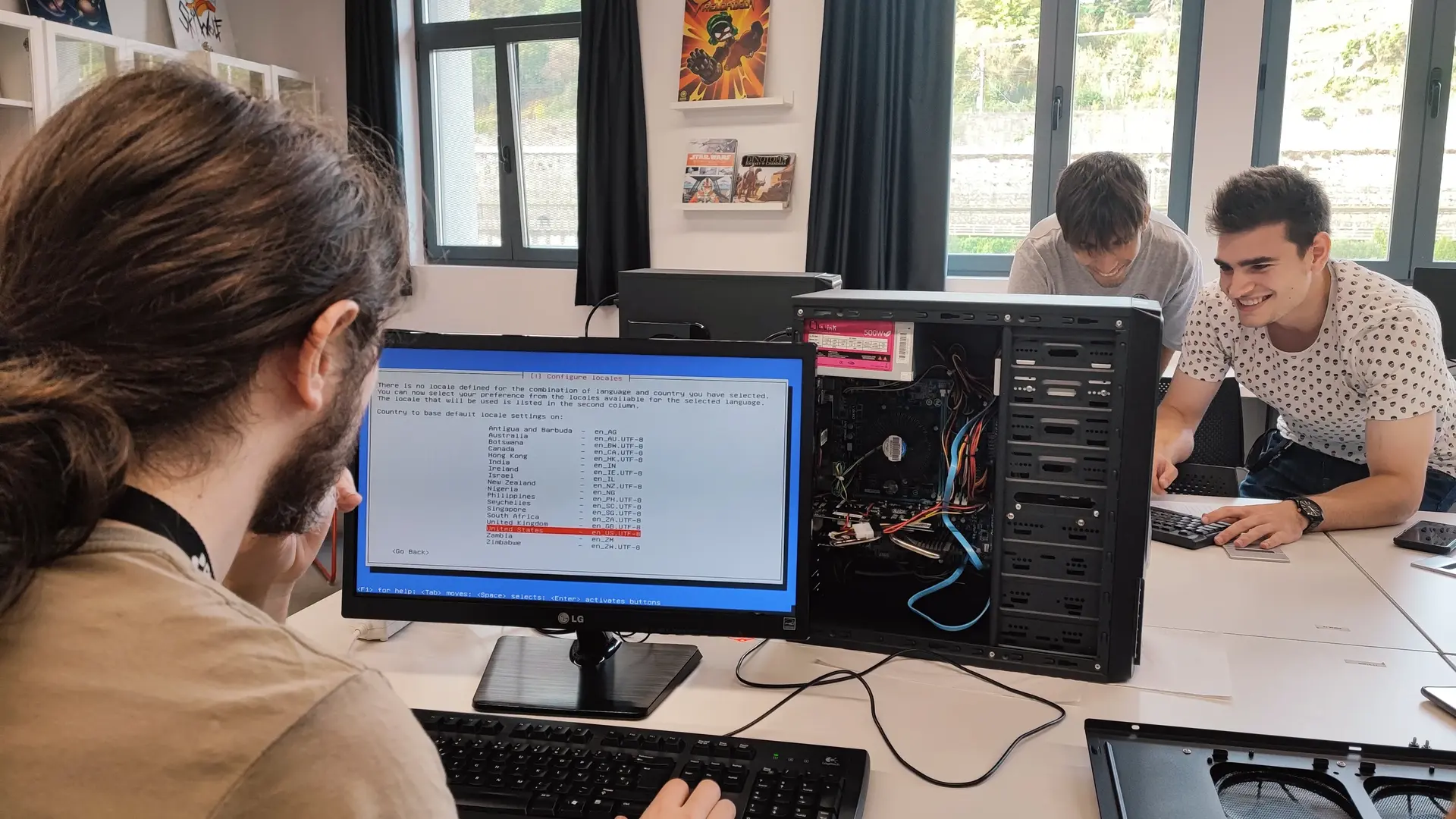
Management and processing of large volumes of information, dynamic content loading, software architecture, and optimization. In an environment generated from real-world data, the volume can be enormous, and most of it must be loaded and unloaded on the fly without interrupting execution.
Artificial intelligence
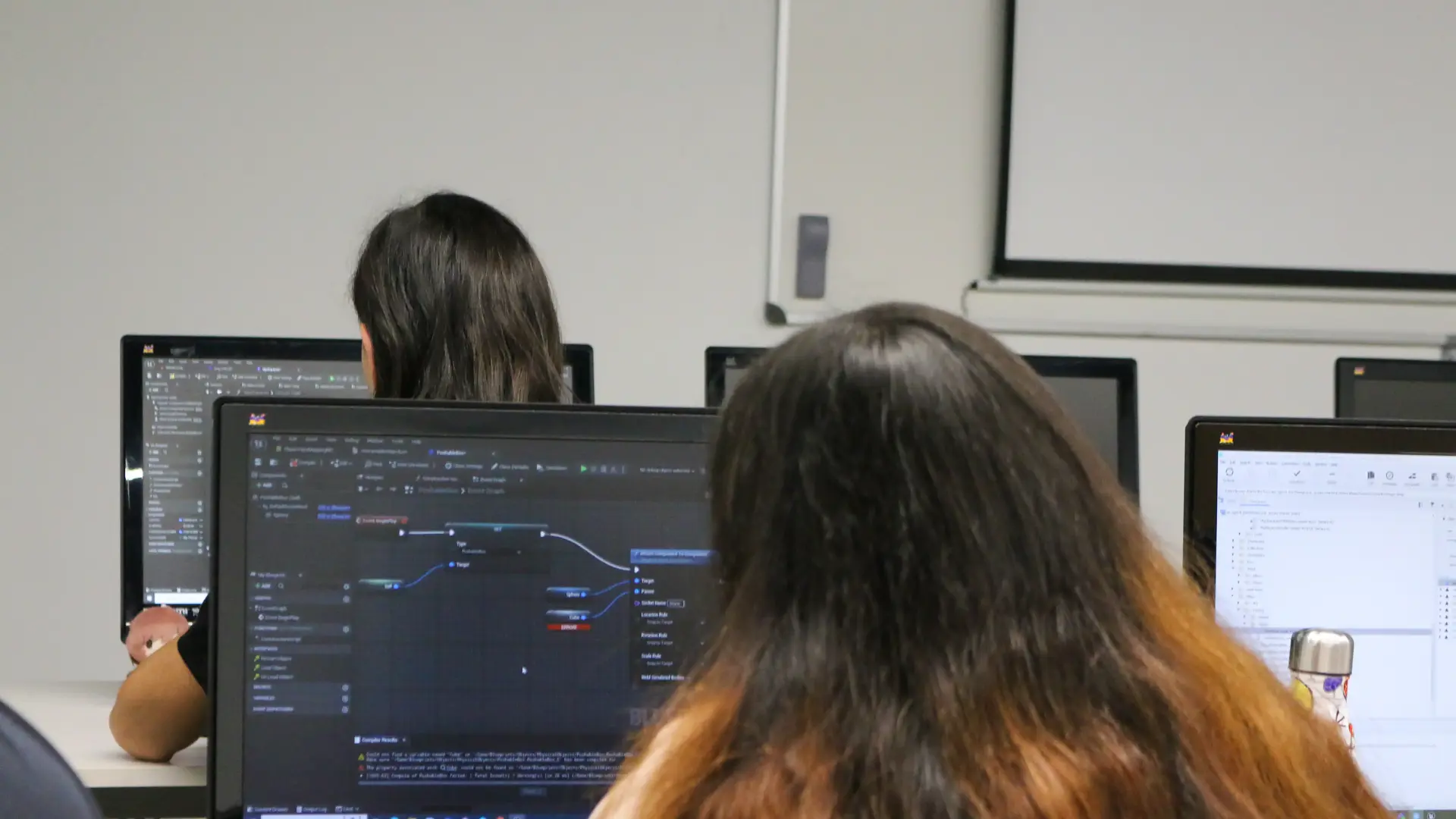
Decision-making, navigation, agent behavior, and, increasingly, machine learning models applied to perception and control. Artificial intelligence has been part of many interactive systems for decades, particularly for navigation, decision-making, and agent behavior. Machine learning is now expanding those possibilities in areas such as perception, prediction, and control.
Applications beyond video games
For decades, the video game industry has had to solve some of the most demanding problems in computer graphics and simulation. The solutions it developed are now being applied in sectors far removed from entertainment. Some of the areas where this transfer is especially visible include the following:
Industry and advanced manufacturing
Digital twins of production lines, robotics testing environments, simulator-based operator training, process visualization, and extended reality for maintenance. Digital twins can combine simulation models with sensor data to represent and analyze the behavior of physical systems.

Aerospace
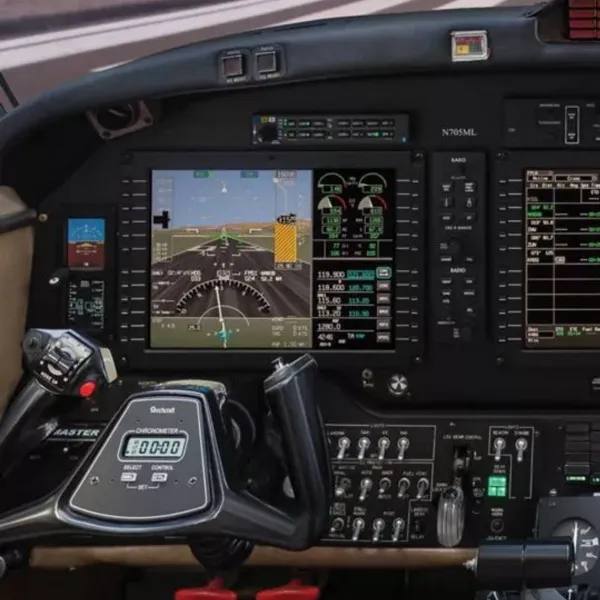
Flight simulators, mission data visualization, synthetic training and system-validation environments, and scenario generation for testing algorithms before deploying them to real hardware.

Healthcare and medical training
Diagnosis, medical training and education, surgical simulation, 3D medical imaging visualization, rehabilitation supported by interactive environments, and decision-support systems. It is a field where simulation accuracy and immediate system response can be especially important.
A video game and a surgical simulator may look like completely different products, but from a technological standpoint they share many of the same foundations.

Turning real-world data into simulations
We are generating more and more information about the world around us. Satellites, sensors, vehicles, factories, infrastructure, and geographic information systems continuously produce large amounts of data about the physical world.
But having the data is only part of the problem. We also need software capable of processing it, representing it, and turning it into environments that people can interact with. This is where simulation, real-time graphics, artificial intelligence, data processing, and software architecture converge, disciplines that are becoming increasingly interconnected in the development of complex systems.
Studying real-time interactive simulation at DigiPen Bilbao
The Bachelor of Science in Computer Science in Real-Time Interactive Simulation addresses precisely these disciplines. It is a computer science degree with a strong foundation in programming, mathematics, and physics, upon which students build skills in computer graphics, artificial intelligence, simulation, and interactive systems development.
The goal is not simply to learn how to use existing tools, but to understand the fundamentals behind them and to be able to build complex systems through programming. Throughout the degree, students apply this knowledge in increasingly complex team projects that result in functional software.


Much more than programming video games
Video games remain one of the best laboratories for learning how to develop complex interactive systems. The skills required to build them have increasingly broad applications.
Programming 3D graphics, developing simulation engines, managing real-time data, or building systems that respond immediately to the user are skills that can be applied to video games, industrial simulators, virtual reality applications, and scientific visualization systems alike.
Studying real-time interactive simulation means learning how to build the technology that turns real-world data, models, and rules into interactive digital systems.
Do you want to learn how to build this kind of system? Discover DigiPen Europe-Bilbao’s Bachelor of Science in Computer Science in Real-Time Interactive Simulation, or request information to learn more about the curriculum, projects, and career opportunities.